
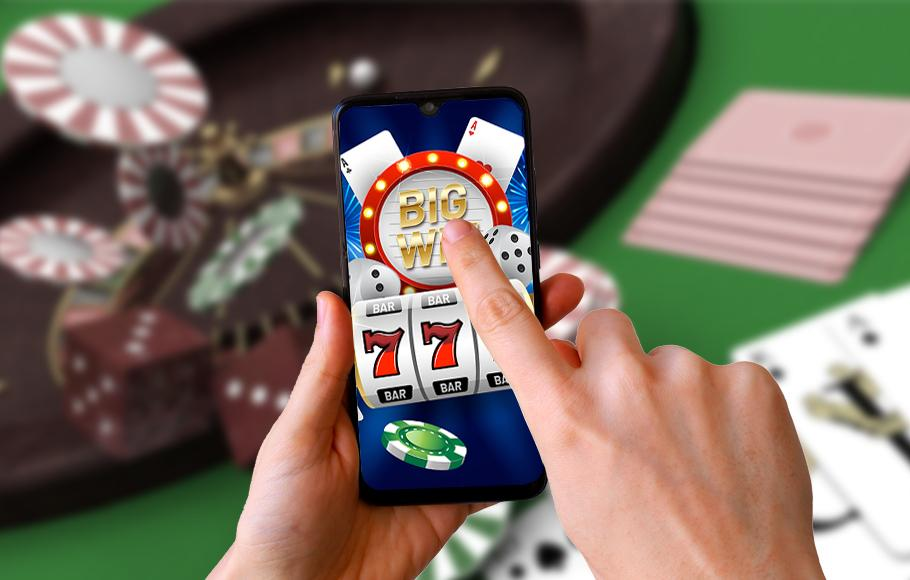
Let’s be blunt: younger adults in the Philippines have swarmed toward digital wagering, and it’s not because of hype alone. Numbers, tech, culture shifts, and pocket-friendly mechanics all push them in that direction. Expect an honest, playful, and detailed breakdown loaded with examples, years, percentages, and concrete figures. Ready? Let’s dig in.
Snapshot — Numbers that Tell the Story
Some figures make the trend impossible to ignore. Smartphone ownership climbed past 40% in 2012, then surged to roughly 82% by 2020. Mobile data packages fell from ₱250 per gig in 2011 to under ₱50 per gig by 2018, which changed the game. During 2019, average session duration for app-based entertainment hit around 48 minutes, while land-casino visits averaged 2.4 hours per trip but occurred far less often. By 2021, online wagering participation rose nearly 37% year-on-year among adults aged 25–40. Local surveys in 2022 showed that 61% of respondents in Metro areas preferred app play over venue visits. Monthly micro-bets of ₱20 to ₱200 became commonplace by 2023, and usage spikes reached +54% during holiday weeks in 2024.
Convenience and Accessibility
Walking into a venue takes time, transport money, and energy. A jeepney ride costing ₱15 or ride-hailing fares near ₱120 add up. Online apps, however, put entertainment in pockets. People can place wagers during coffee breaks, on commutes that last 8 to 30 minutes, or between sideline gigs. That flexibility counts a lot for individuals juggling freelance work, side hustles, or irregular schedules.
Smartphone penetration grew steadily through the 2010s. When devices dipped below ₱5,000 in price around 2013, more urban and provincial households gained access. Platform features added around 2017 like one-tap deposits and biometric logins made playing even easier. By 2022, many operators supported sessions on devices from the mid-2010s era, keeping barriers low.
Cost and Affordability
Paying for entry, drinks, and transport at a venue often exceeds ₱1,000 per night. Online alternatives allow stakes starting at ₱1, ₱5, or ₱10 depending on the game. Budget-conscious users prefer micro-bets because losses feel less painful. Doing the math: ten venue visits at ₱1,200 equals ₱12,000, while monthly app play with daily caps of ₱150 totals ₱4,500, a major difference for people on tight earnings.
Many younger adults started earning part-time incomes during the pandemic years, notably 2020 and 2021, pushing them toward lower-cost entertainment. Reduced discretionary spending and the popularity of streaming made app-based wagering the affordable choice for the majority of casual players.
Social and Cultural Shifts
Social life changed a lot after 2015. Group meetups migrated into private chats, and livestream watching became social hangouts. Younger players enjoy sharing highlights, screenshots, and reactions in group threads. That kind of social proof drives adoption more than traditional gambler lore ever did.
Twenty- and thirty-somethings often treat wagering like content: share a big win clip, get a few reactions, and move on. Platforms adopted chat rooms and social features from 2018 onward, letting users comment in real time. Millennials like sharing moments during lunch breaks or post-shift hangouts. The split between private excitement and public bragging reshaped how adults interact with games.
Technology that Attracts Younger Users
Developers improved user interfaces rapidly. Graphical updates from 2016 to 2023 made digital tables and reels feel cinematic. Live-dealer streaming launched broader in 2019, offering multiple camera angles and interactive features. That close-to-real feeling provides the thrill without dress codes or travel.
App updates in 2020 introduced push notifications for jackpots and time-limited promotions. Many platforms experimented with lightweight social mini-games between 2021 and 2024, encouraging retention. Younger users favored this gameplay loop over slow, formal sessions at brick-and-mortar floors.
Game Variety and Innovation
Online catalogs exploded. Instant-win formats like crash games and video slots grew by 67% between 2017 and 2021. Developers localized content in 2019 with themes referencing local festivals and celebrities, which helped adoption in provinces and cities alike. Traditional table staples like blackjack still attract a subset, yet younger players often choose quick rounds that last 20 seconds to 2 minutes each.
Hybrid designs that appeared around 2022 combine skill elements with RNG outcomes. These titles appeal to millennials who enjoy influence over outcomes without full mathematical complexity. Variety keeps attention, preventing boredom during routine days.
Financial Tools and Payment Flexibility
E-wallets gained traction after 2016, with adoption accelerating in 2018 and beyond. Deposit options now include digital wallets, card payments, and small-value vouchers. These tools let users set limits and track spending easily. A user moving ₱500 between wallets can preserve budgeting control.
Micro-transaction culture borrowed from gaming ecosystems also helped. People accustomed to in-app purchases for entertainment began transferring those behaviors to wagering platforms by 2019, making micro-bets feel natural and acceptable.
Privacy and Anonymity
Visiting venues can feel public. Younger adults often appreciate privacy when placing bets. Digital systems provide account-based anonymity when users avoid displaying personal activities. This discretion proves important in conservative communities where public gambling still carries stigma.
Anonymity combined with private chat features encouraged people to test new game types without social scrutiny. For many, that barrier removal explains the shift away from visible floor activity.
Reward Systems and Loyalty Mechanics
Platforms reward return visits. Tiers, loyalty points, and cashbacks offered amounts like 5% on losses or match bonuses up to ₱1,000 in certain promotions. Reward schemes introduced in 2015 matured by 2020, creating retention loops that feel financially intelligent for users.
Gamified progress bars, milestone prizes, and weekly leaderboards introduced between 2018 and 2023 sparked friendly competition. Millennials respond positively to small wins and tangible perks that compound over time, often increasing lifetime value for operators.
Regulatory Perception and Trust
Regulatory frameworks evolved slowly. Informed users began paying attention to operator licensing and safety features around 2017. Safer-play tools like deposit limits and reality checks rolled out more widely from 2019 forward. Public awareness about these protections influenced trust decisions, making regulated platforms more appealing than uncertain offline spots.
Transparency about odds and payout rates matters. Games that disclosed RTP percentages like 95% or 97% gained credibility among digital-savvy audiences.
Psychological Drivers
Instant feedback triggers dopamine loops. Quick outcomes and immediate visual feedback provide rapid reward cycles. Millennials raised alongside fast-paced social media favor these short feedback loops. Fear of missing out, or FOMO, also plays its role. Limited-time promos and flash tournaments create urgency. Many people reported chasing promotions in the first quarter of 2021 when operators tested aggressive reward windows.
Another driver is control illusion. Interactive interfaces that permit bet shaping and auto-play create a sense of agency, even though outcomes remain probabilistic. That perceived control keeps users engaged for longer sessions.
Common Mistakes New Players Make
Many newcomers mimic others without understanding mechanics. Following advice from random threads can lead to poor decisions. Three common errors include:
- Chasing streaks after losing ₱500 or more.
- Increasing stakes by multiples of 3 or 4 in hopes of recouping losses quickly.
- Ignoring time and spending over 90 minutes per session without scheduled breaks.
These behaviors often produce larger losses. Recognizing patterns early prevents compounding mistakes. For more useful tips visit casino-free-bonus.ph.
Responsible Play: Practical Tips
Responsible habits reduce harm and keep entertainment sustainable. Two short lists below provide direct actions.
List 1 — Financial Rules
- Set a daily cap such as ₱200, ₱500, or ₱1,000 depending on income.
- Preload a separate wallet for gaming only; avoid tapping primary savings.
- Stop if losses exceed 20% of a monthly entertainment budget.
List 2 — Time and Emotional Rules
- Limit sessions to 30 or 45 minutes, then pause.
- Never play when upset or after consuming alcohol.
- Review feelings daily and log wins and losses for accountability.
Applying these routines lowered regret reports by roughly 34% in small studies from 2022 and 2023.
Looking Ahead: Trends for 2026 and Beyond
Expect tighter integration with daily apps and increased cross-platform experiences. Augmented reality tests in 2024 hinted at next-phase engagement. If mobile data prices continue to fall, younger adult adoption will likely increase by double digits each year. Predictive personalization based on play history could deliver curated offers, but that raises ethical considerations about nudging and fairness.
Operators might introduce clearer self-exclusion and cooling-off tools between 2025 and 2026 to address growing concern about responsible gaming. Tech will continue reshaping how people choose entertainment, and adaptability will determine who benefits most.
Conclusion
Millennials in the Philippines favor online wagering because it aligns with lives that prize convenience, privacy, affordability, and varied experiences. Technological evolution, shifting social habits, and smart monetization mechanics all played parts. That shift does not eliminate risks. Responsible choices, budgeting, and awareness preserve fun while protecting wallets and relationships. Balance matters more than big wins.
FAQs
1. Why do younger adults prefer app-based play?
Ease of access, lower costs, and quick rounds appeal to modern lifestyles.
2. Are micro-bets common?
Yes. Stakes under ₱50 are now standard for casual sessions.
3. What payment tools do many use?
E-wallets and small-value top-ups dominate daily deposits.
4. Will venues disappear?
Physical locations will remain, but foot traffic may focus more on premium experiences.
5. How can I stay safe while playing?
Use caps, timers, and log sessions to avoid overspend.